























One of the largest manufacturers of fertilizer in the world has warned that it will not be able to ship fertilizer during the critical spring planting season due to new regulations from Union Pacific railroad that were designed to address the supply chain crunch.
CF Industries announced in a statement on its website that “it would be unable” to accept new sales that required its products to be shipped with Union Pacific “for the foreseeable future.” This will impact Iowa, Illinois, Kansas, Nebraska, Texas, and California, the fertilizer manufacturer revealed.
“The timing of this action by Union Pacific could not come at a worse time for farmers,” said CF Industries CEO Tony Will. ““Not only will fertilizer be delayed by these shipping restrictions, but additional fertilizer needed to complete spring applications may be unable to reach farmers at all.”
Will urged “the federal government to take action to remove these Union Pacific rail shipment restrictions” and warned that their products are a necessary component for the production of food in North America.
“The application of nitrogen fertilizer is critical to maximizing crop yields,” the fertilizer manufacturer wrote. “This will likely extend the timeline to replenish global grains stocks.”
CF Industries lays the blame on Union Pacific, which in turn says the new regulations were necessary because of the precarious supply chain that has left it with a backlog of freight to ship.
“Union Pacific spokeswoman Kristen South said the measures the Omaha, Nebraska-based railroad is taking are designed to address problems in the supply chain that have clogged rail shipments,” ABC News reported.
In fact, the railroad has apparently brought an additional “100 locomotives out of storage and shifted roughly 80 crew members to high-demand locations.”
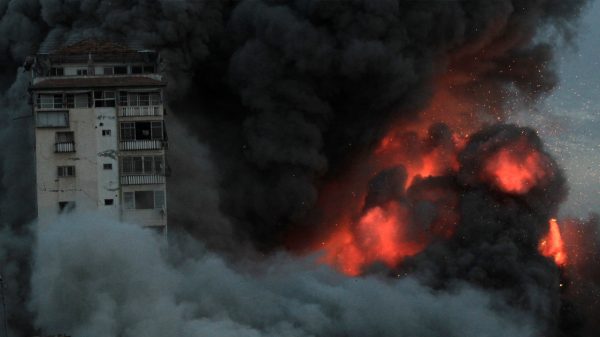
This latest development comes amid the Russian invasion of Ukraine, which has sparked worldwide fears of food shortages and famines that have received credibility from President Joe Biden, Republican senators, and the United Nations.
Some countries like India refused to cut off Russia economically, explaining that they were dependent on fertilizer shipments from Russia and were concerned their citizens may face food insecurity as a result of the U.S.-led sanctions.