













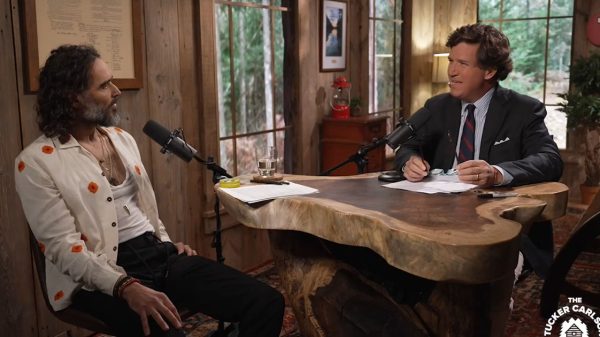














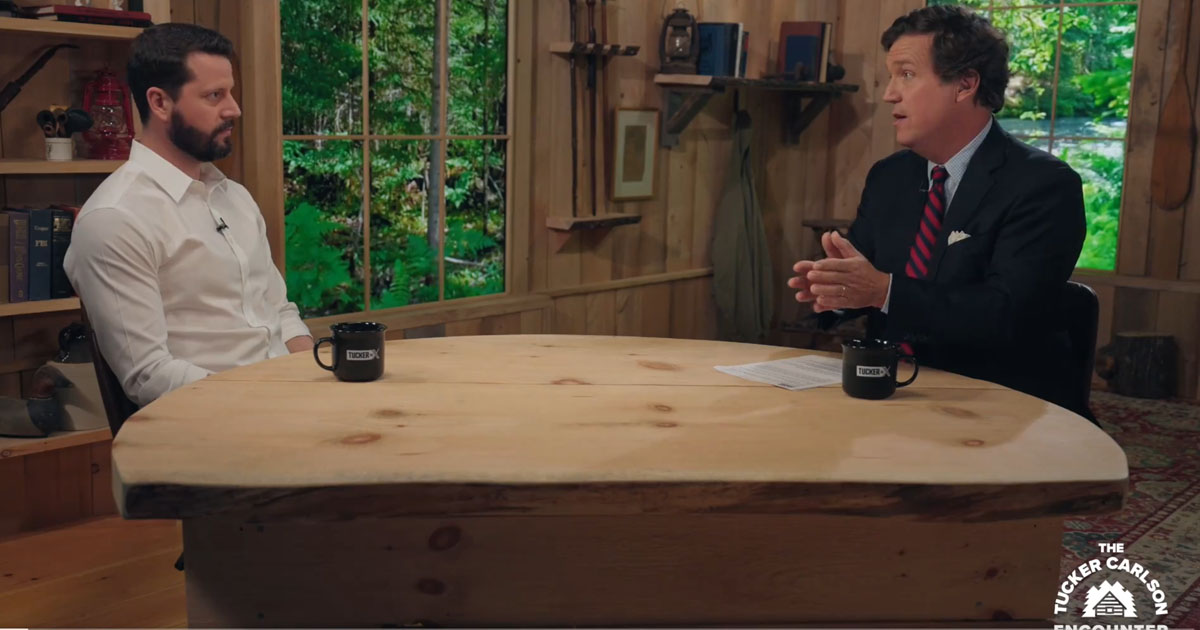

On Monday, Fox News host Tucker Carlson welcomed a notable guest to his show on the Tucker Carlson Network. Seth Dillon, the CEO of the widely recognized satirical news site, The Babylon Bee, joined Carlson for a conversation that ranged from the challenges of creating satire in the current political climate to the increasingly contentious issue of free speech.
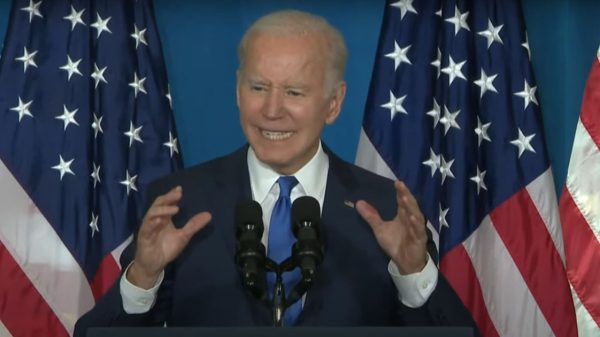
The Babylon Bee, known for its satirical articles that often mimic real-world events, has been at the center of the news cycle for some time. Carlson showcased examples of Babylon Bee satire articles that later manifested in the mainstream news cycle as stories published by corporate media.
“The world is difficult to satirize right now… it’s becoming more challenging to distinguish between reality and satire,” Dillon told Carlson, a sentiment echoed by many who find the current news cycle often stranger than fiction.
Ep. 55 Corporate media is dead, which is why The Babylon Bee is more trusted than CNN. pic.twitter.com/FI9fh0QJhX
— Tucker Carlson (@TuckerCarlson) December 18, 2023
Dillon also shared a surprising revelation during the discussion: nearly 100 of the Babylon Bee’s joke stories have reportedly turned into actual news events. This phenomenon underscores the blurred lines between satire and reality, making the job of satirists like those at The Bee even more complex.
The conversation also touched on the broader issue of free speech, especially as it pertains to tech giants like Twitter. Dillon expressed concern over the increasing power these platforms have in controlling and shaping public discourse.
“Elon Musk has a tough battle… We’re all fighting for free speech,” Dillon said, referring to the Tesla CEO’s recent clashes with various social media platforms over censorship issues.
This discussion between Carlson and Dillon highlights the ongoing debate around free speech, censorship, and the role of satire in society. It serves as a stark reminder of the challenges faced by those who dare to poke fun at the world’s absurdities, and the importance of preserving a space for such commentary in our discourse.